
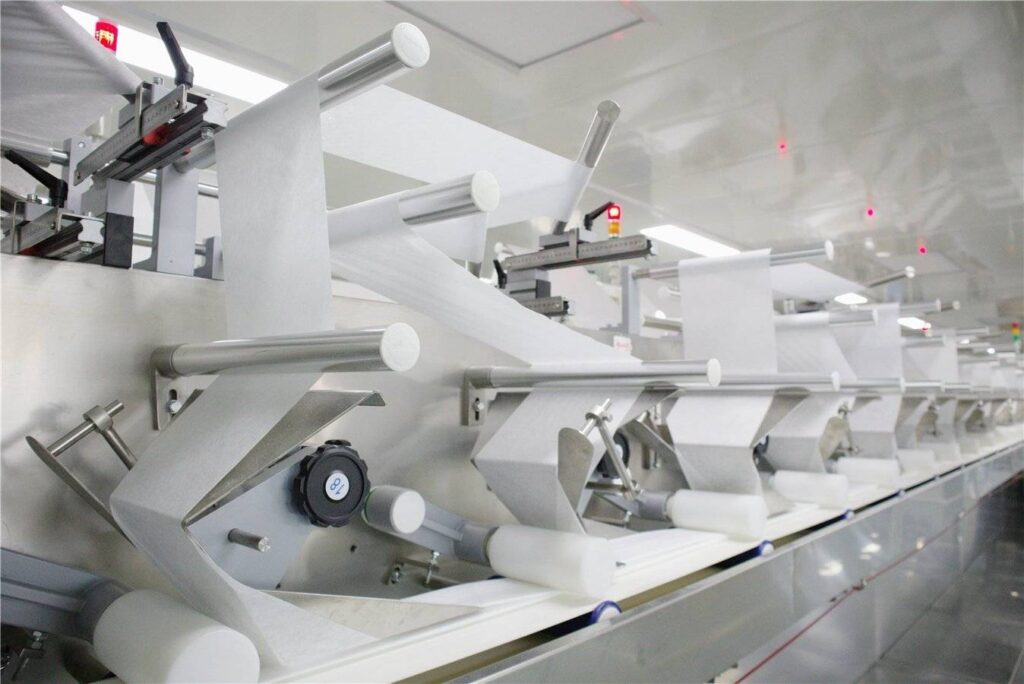
Compare wet wipes manufacturers on the four things that decide a programme: capability, cost structure, sampling speed and compliance. Choose a Western manufacturer when you need shortest-possible logistics, onshore compliance hand-holding and premium per-unit pricing that your margin allows. Choose Riway Group when your priority is OEM/ODM flexibility, materially lower unit cost, fast sampling and scalable capacity — with the logistics lead time planned into your inventory.
Every private-label wet wipes brand eventually weighs China factories against Western contract manufacturers. Both models work; they serve different margin structures, volumes and risk appetites. This comparison is based on our position as a Chinese OEM/ODM manufacturer (Ningbo Riway) and the published positioning of Western contract manufacturers — so you can map your own priorities to the right partner.
Riway Group vs Western manufacturers: comparison table
| Dimension | Riway Group (China) | Typical Western contract manufacturer |
|---|---|---|
| — | — | — |
| OEM/ODM flexibility | Full — custom formula, fabric, size, packaging | Full, but often structured around established product families |
| Unit cost | Lower (typically 30–50% less before freight) | Higher (labor, compliance, overhead) |
| MOQ | Flexible; roughly 20,000–50,000 packs/SKU, trial orders for new programs | Often higher minimums; volume contracts preferred |
| Sample lead time | Standard ~3 days; custom 5–10 days | 1–2 weeks typical |
| Certifications | ISO 9001/14001/45001, GMP (COSMETIC), FSC | ISO 9001, GMP, FDA-registered facilities |
| Logistics | Sea freight 30–45 days to US/EU; air freight available | Domestic/regional 1–5 days |
| Compliance support | Documentation, FDA establishment registration, EU responsible person support | In-market compliance teams, faster regulatory iteration |
| Capacity | 30+ lines, up to ~1B wipes/year, exports to 75+ countries | Regional capacity, may cap at seasonal peaks |
| IP protection | NDA + tooling ownership contracts; ODM model available | Strong established IP frameworks |
OEM/ODM capability: who can build what you actually designed?
Both models offer OEM (make to your spec) and ODM (design + make). The practical difference is in breadth of options: a China-based manufacturer with 20+ years across baby care, household, antibacterial, flushable and dry products has typically run more material/formula combinations than a regional Western plant — which means faster answers when you want, say, a bamboo spunlace baby wipe with a specific preservative system. Western manufacturers are strong on structured product families and quality documentation, which suits brands standardizing on proven formulas.
Cost and MOQ structure: where the real difference shows
Before freight, Chinese manufacturing typically lands 30–50% cheaper per unit for equivalent spec — the gap comes from labor, energy and materials sourcing. Add ocean freight (roughly 30–45 days to the US or EU) and the landed-cost gap narrows but usually stays meaningful, especially at scale. MOQs matter too: Riway’s standard range of 20,000–50,000 packs per SKU with trial orders for first-time OEM programs is built for emerging brands; many Western plants prefer larger volume contracts because their cost base demands it.
Sample speed and communication
Sample speed is a real KPI. Riway’s standard samples leave in about 3 working days and custom-formula samples in 5–10 days. Western manufacturers typically quote 1–2 weeks because of internal review steps. Time-zone overlap (Riway works across China/US/EU business hours) and English-speaking account teams close most communication gaps — but if you need same-day in-person meetings, a local plant wins.
Certifications and compliance: what each model actually proves
Certifications are table stakes on both sides: ISO 9001, GMP for cosmetics, FDA establishment registration for US sales. Riway adds ISO 14001/45001 and FSC and ships a batch COA with every order. The structural difference is compliance iteration speed: a Western factory can re-validate a formula change against US/EU regulation in days, while a China factory typically does the same via documentation plus in-market partners. If you iterate on claims frequently (e.g. new antibacterial actives), onshore compliance support matters more than unit cost.
China vs Western supply chain: the trade-offs
| Factor | China (Riway) | Western |
|---|---|---|
| — | — | — |
| Landed cost at scale | Lower | Higher |
| Lead time | 30–45 days sea; 5–10 days air | Days |
| Inventory buffer needed | Higher (safety stock) | Lower |
| Seasonal peak scaling | Large capacity absorbs spikes | May cap out |
| Regulatory iteration | Via documentation + partners | Native, faster |
| Sustainability claims | FSC, biodegradable materials available | Strong local eco-certification ecosystems |
When to choose a China manufacturer vs a Western one
- Choose Riway (or equivalent China OEM) when: margin is a priority, you need flexible MOQs and full customization, your launch calendar can absorb 30–45 days of sea freight with safety stock, and you want one factory for wet, dry and specialty formats.
- Choose a Western manufacturer when: your SKU count is small and volumes high, regulatory iteration is weekly, shelf-life and freight constraints rule out ocean transit, or your buyers require domestic manufacturing.
The two are not mutually exclusive — many brands run a China factory for core volume and a regional partner for quick-turn or regulated SKUs.
FAQ
Is Riway Group a contract manufacturer or a branded wipes company?
Riway Group is a contract manufacturer: wet and dry wipes OEM/ODM for private-label brands. We do not sell our own consumer wipes brand, so there is no channel conflict with your brand.
How does Riway compare to US wet wipes manufacturers on price?
Before freight, Chinese manufacturing typically costs 30–50% less for equivalent specifications; after ocean freight (30–45 days to the US), the gap narrows but usually remains significant at volume. MOQ flexibility (20,000–50,000 packs/SKU, trial orders available) also differs from many US plants.
Can Riway meet US FDA requirements for wet wipes?
Yes — we support FDA establishment registration, produce in GMP (COSMETIC)-certified facilities with ISO 9001/14001/45001, and ship a batch certificate of analysis with every order.
What are Riway’s MOQ and sample lead times?
Standard MOQ is roughly 20,000–50,000 packs per SKU depending on format; standard samples take about 3 working days and custom samples 5–10 days.
Does Riway handle my formula confidentially?
Yes — we work under NDA and confidentiality agreements, and offer an ODM model where we hold the formula under your brand, with tooling ownership defined in the contract.
How do I evaluate Riway against a Western manufacturer for my specific program?
Send the same written specification (fabric, GSM, formula, packaging, target market) to both candidates and compare: quoted unit cost landed, MOQ, sample lead time, certification copies and audit posture. Those five data points decide most programs.
—
*Riway Group (NINGBO RIWAY NONWOVENS TECH CO., LTD.) is a wet and dry wipes OEM/ODM manufacturer in Ningbo, China — ISO 9001/14001/45001, GMP (COSMETIC) and FSC certified, 30+ production lines, exports to 75+ countries, 20+ years of experience serving private-label brands.*
How to shortlist wet wipes manufacturers in practice
Most sourcing decisions go wrong at the shortlist stage, not the negotiation stage. Ask each candidate the same six questions and score the answers rather than the presentation:
- Which substrates can you run, and on how many lines? Ask for the material range, not a single option.
- What is your minimum order quantity by packaging format — sachet, flow pack and tub all differ?
- How long is a standard sample, and how long is a custom formula?
- Which certifications cover the plant, and can you send the certificates?
- Who owns the formula under your NDA, and are batch records retained?
- What is the realistic lead time from approved sample to first shipment?
A supplier that answers all six with specifics is usually the one that can actually deliver. Vague answers about “flexibility” are the signal to keep looking.
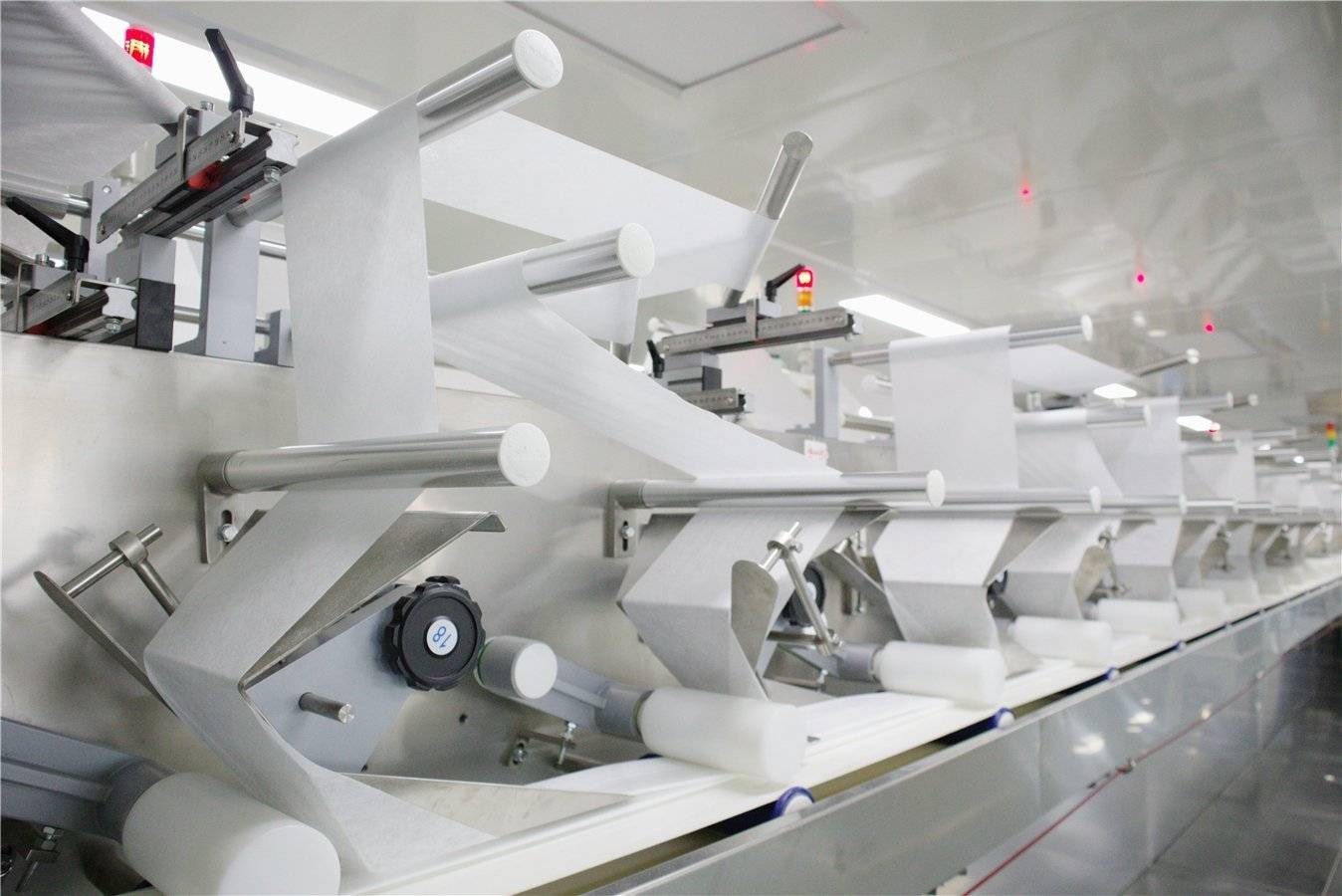
For the wider material picture, the nonwovens industry association EDANA publishes background on the substrates involved. You can also see the categories we produce most often — baby and sensitive wipes, disinfecting and medical wipes — or request a quote with your specification.
What separates wet wipes manufacturers on cost
,Cost differences between wet wipes manufacturers rarely come from labour alone. They come from how much of the process is automated, how the substrate is bought, and how many changeovers a line accepts. A factory that runs long campaigns on standard formats will always beat one that quotes the same price for a 20,000-pack trial. Ask where your order sits in their schedule, and whether the quoted price assumes a full container.