
Short answer: No, a finished wet wipe is not an EUDR product. From 30 December 2026 the EU Deforestation Regulation applies to the commodities and CN codes listed in Annex I — and neither nonwoven fabric nor a finished wipe is on that list. What is on the list is wood pulp, including the dissolving pulp that becomes viscose, lyocell and modal. So the due diligence duty sits with whoever places that pulp on the EU market; you, as the wipe manufacturer, hold no statement obligation. Your EU customer will still ask you for pulp-origin evidence, because their own sourcing policy answers to the same regulation.
What EUDR actually covers
Regulation (EU) 2023/1115 covers seven commodities — cattle, cocoa, coffee, oil palm, rubber, soya and wood — plus the specific products made from them that are listed in Annex I. Two features of that structure matter for anyone buying wipes:
- It is a positive list. If your product is not described in Annex I by commodity and CN code, EUDR does not apply to it. “Contains a wood-derived material” is not the test.
- The duty follows the product, not the company. A converter can be the operator for one SKU and have no EUDR role at all for the next one.
The deforestation cut-off is 31 December 2020: listed products must come from land not deforested after that date, and — for wood — not degraded either.
Where each wipes substrate stands
This is the table buyers should be asking suppliers for. It is also the table most suppliers cannot produce, because they market by material name instead of by customs code.
| Substrate | What is actually on the EU market | Annex I status | What your EU buyer will ask you |
|---|---|---|---|
| Viscose / lyocell / modal nonwoven | Nonwoven fabric and the finished wipe (fibre and fabric chapters) | Not listed. The fibre and the nonwoven carry no EUDR duty | Forest-origin questionnaire for the pulp mill, usually as a sourcing requirement rather than a legal one |
| Dissolving wood pulp | The pulp itself, before it becomes fibre | Listed. A due diligence statement is required when it is first placed on the EU market | The reference number from whoever imported the pulp, if they buy pulp rather than fibre |
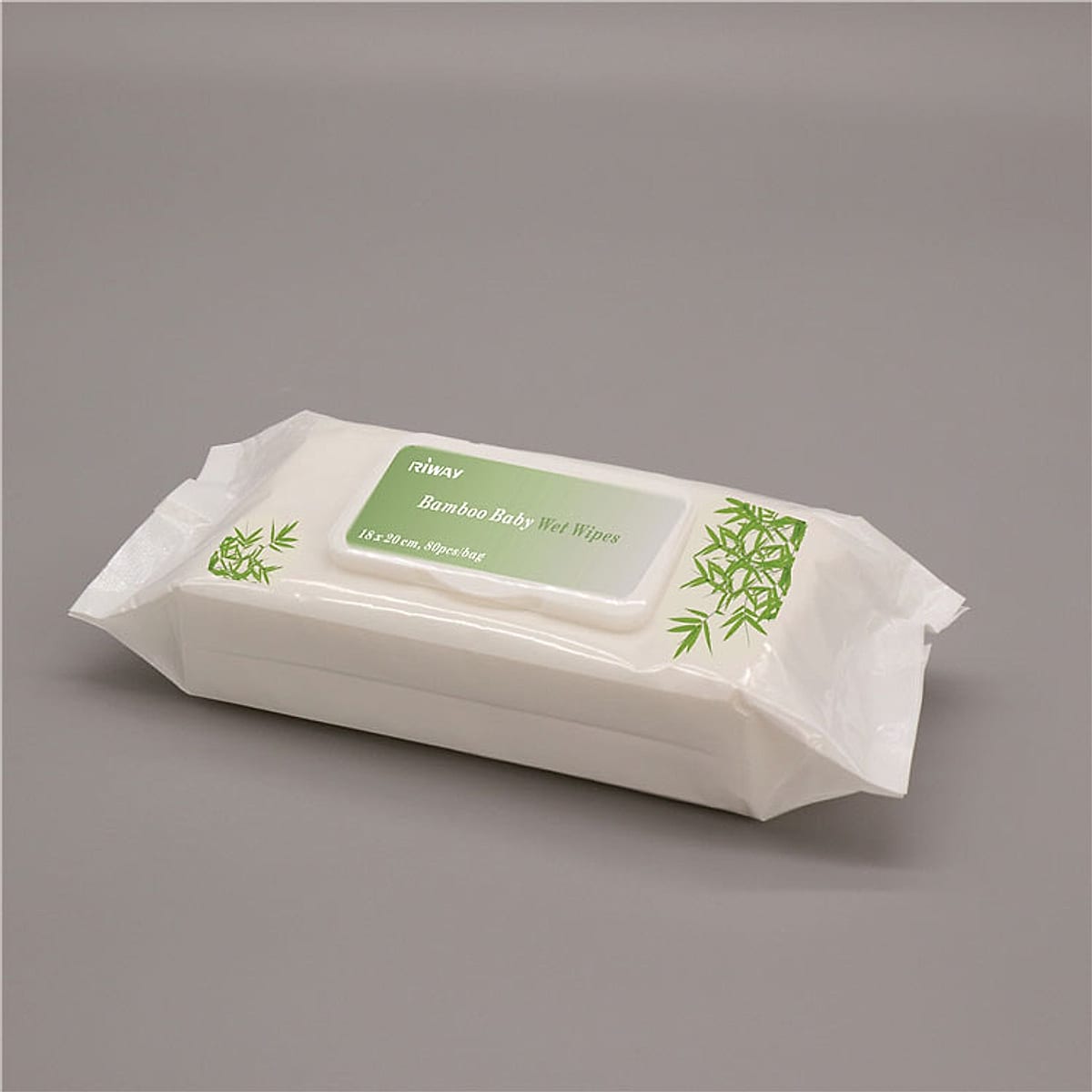
| Bamboo nonwoven | Bamboo fibre and fabric | Bamboo is not one of the seven regulated commodities. Confirm the CN code your pulp mill declares — pulp headings are classified by process, not by plant species | Species and origin declaration; CN code confirmation |
| Cotton nonwoven | Cotton fibre and fabric | Not listed. Cotton is outside EUDR | Nothing under EUDR; possibly due diligence under other buyer policies |
| Polyester / polypropylene | Synthetic fibre and spunbond | Not listed. Petrochemical origin is outside the seven commodities | Recycled-content and packaging questions (PPWR), not EUDR |
| Airlaid with fluff pulp | Wood pulp of a different grade from dissolving pulp | Depends on the grade and CN code. Several pulp headings sit in Annex I | The pulp supplier’s CN code and origin, in writing |
CN codes are assigned per shipment, not per marketing category. Two “viscose wipes” from two suppliers can sit under different codes, and only one may pull in a pulp entry. Ask for the code in writing.
Why your EU customer still asks for a due diligence statement
Three reasons, and none of them is a misunderstanding. (If your constraint is the UK plastic-content deadline rather than EUDR, that is a different rule with a different date — see our UK and EU plastic wipes ban guide.)
- They cannot see your bill of materials. A retail brand buying “viscose wipes” does not know whether the substrate started as dissolving pulp or as a recycled cellulosic feedstock. Asking you is cheaper than auditing the chain.
- Their own policy is often stricter than the regulation. Several EU retailers now require forest-origin declarations for all cellulosic substrates, because writing one rule for all wood-derived materials is simpler than proving scope exclusions SKU by SKU.
- Competent authorities ask for evidence of the assessment. Even where a product is out of scope, an operator that has assessed and documented the exclusion is in a much better position than one that simply says “not applicable”.
The practical answer is a one-page substrate statement per SKU: material, CN code, whether the code appears in Annex I, pulp origin by country and mill, and the certification held (FSC or PEFC chain of custody where applicable). It takes an afternoon to produce and it removes the question from every future RFQ.
What changed on 18 September 2026
Annex I was amended by Commission Delegated Regulation (EU) 2026/2102, in force since 18 September 2026. Four changes affect how suppliers should answer scope questions:
| Change | Effect on a wipes supply chain |
|---|---|
| Cattle hides, skins and leather removed from the list | No effect on wipes. Relevant only if you also supply leather-adjacent hygiene kits |
| Several rubber entries removed (certain vulcanised rubber articles, conveyor belting) | No effect. Natural rubber latex, thread and rubber gloves remain listed |
| Packaging used to carry or protect a product excluded | Your pouch, carton and shrink film are outside EUDR. Packaging sold as a product in its own right can still be in scope |
| Certain palm-derived chemicals added, applying from 30 December 2027 | Check any palm-derived surfactant, emulsifier or emollient in the lotion, not just the substrate |
That last row is the one most wipes teams miss. EUDR scoping workshops tend to start and end with the substrate, while the formula quietly carries palm-derived fatty alcohols, esters or quaternary ammonium compounds. Those have a later date — 30 December 2027 — but they are inside the regulation.
The dates that matter for a wipes supply chain
| Date | What changes | What it asks of a wipes manufacturer |
|---|---|---|
| 29 June 2023 | Regulation enters into force; deforestation cut-off set at 31 December 2020 | Origin data for pulp bought after that date becomes relevant |
| 18 September 2026 | Annex I amended by Delegated Regulation (EU) 2026/2102 — leather removed, some rubber entries removed, transport packaging excluded | Scope statements written before this date are out of date |
| 30 December 2026 | General application to operators, downstream operators and traders | Customer questionnaires arrive with a deadline attached |
| 30 June 2027 | Micro and small operators, tested on size at 31 December 2024 | Only relevant if you sell into the EU through your own entity |
| 30 December 2027 | Added products apply, including certain palm-derived chemicals | The lotion, not just the substrate, comes into view |
What to have ready before 30 December 2026
| # | Item | What “ready” looks like |
|---|---|---|
| 1 | SKU-to-CN-code map | Every wipe family mapped to a code, with the code source (customs ruling, broker confirmation) recorded |
| 2 | Scope determination per SKU | One line per SKU: in scope / out of scope, with the reason and the date of the assessment |
| 3 | Pulp origin dossier | Country, mill name, certification number for every cellulosic substrate you buy |
| 4 | Formula screen | Palm-derived ingredients flagged with CAS numbers and supplier declarations |
| 5 | Customer-facing statement | A signed one-pager you can attach to an RFQ reply without rework |
How Riway handles this on pulp-based orders
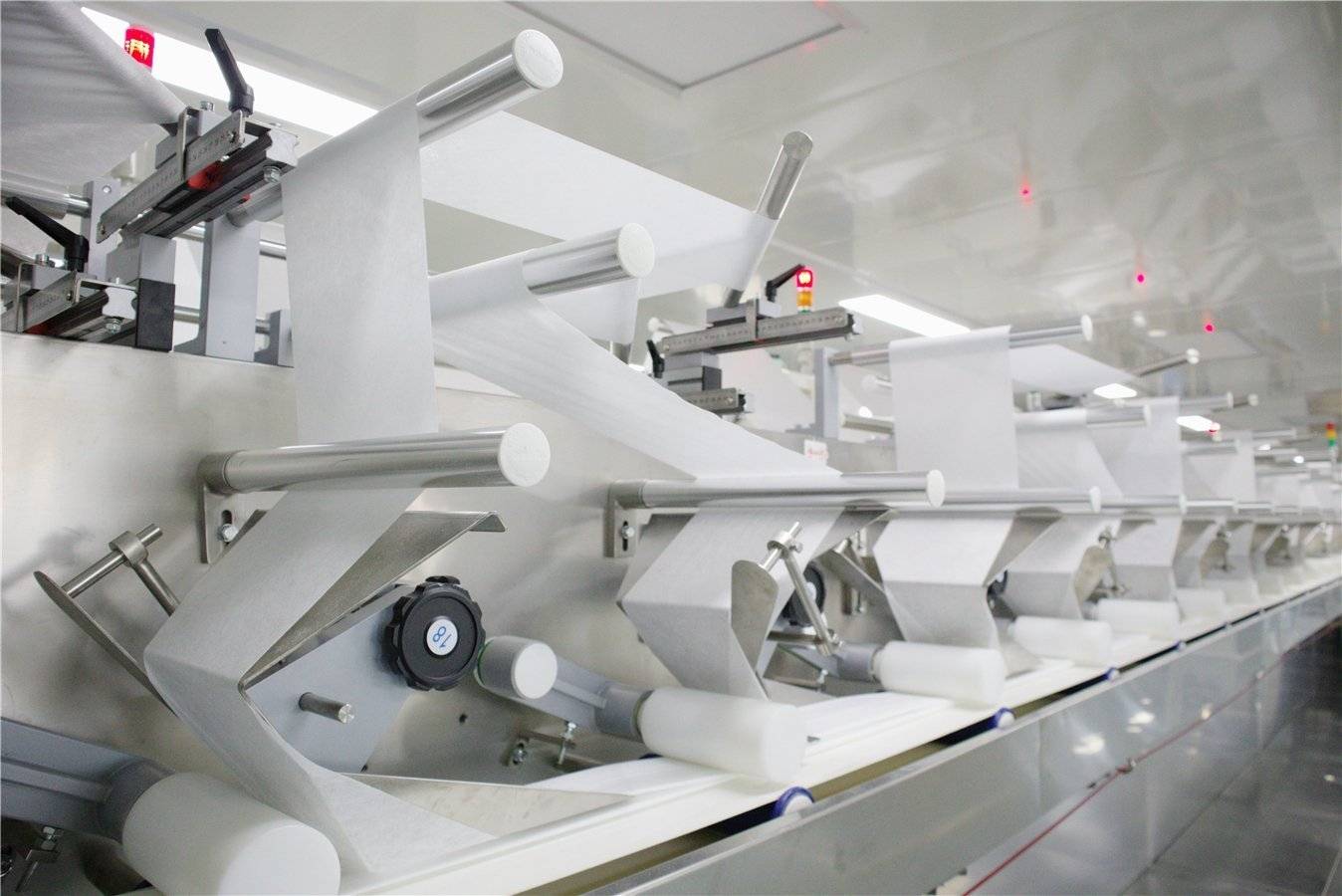
Riway Group has manufactured wet wipes and dry nonwoven products for over 20 years and exports to more than 75 countries. For cellulosic substrates we work from the pulp mill forward, not from the fabric backward, which is what makes a scope statement possible. The material side is covered in our nonwoven substrate guide:
- Pulp origin is recorded at purchase, by country and mill, and carried through to the batch record — so a customer questionnaire about one shipment can be answered from the file rather than from memory.
- FSC chain of custody sits alongside our published ISO 9001, ISO 14001, ISO 45001 and ISO 13485 certificates, so one documentation set answers quality, environment and forest-origin questions.
- Substrate substitution is quoted as an option, not a surprise. Where a buyer wants to remove wood-derived content entirely, we quote the alternative nonwoven at the same time as the original, with the cost and hand-feel difference stated up front.
- Samples in 3–5 days on standard substrates, so a compliance-driven substrate change can be validated before the next production window rather than after it.
Questions buyers ask us
Does EUDR apply to bamboo wipes?
Bamboo is not one of the seven regulated commodities, and bamboo nonwoven is not an Annex I product. The open question is the pulp: pulp headings are classified by process and grade, not by plant species, so ask your pulp mill which CN code it declares and check that code against Annex I. Get the answer in writing rather than assuming bamboo is automatically outside.
Do I need to file a due diligence statement if I buy viscose fabric from China?
Not for the fabric. The fabric and the fibre are not listed products. The statement obligation sits with whoever first places the dissolving pulp on the EU market. If you buy pulp directly and import it into the EU, you are that operator and the obligation is yours.
Is our wipes pouch in scope?
No. Packaging used to carry or protect a product was excluded by Delegated Regulation (EU) 2026/2102 from 18 September 2026. Packaging sold as a product in its own right can still be in scope, which is not the case for a wipes pouch.
What happens if a product is in scope and we have no statement?
The product cannot lawfully be placed on the EU market. Penalties are set by Member States, and the Regulation sets a minimum for the most serious infringements linked to turnover. This is why scope determination should be documented even when the answer is “out of scope” — the record is the defence.
Does FSC certification replace due diligence?
No. Certification is evidence that can feed a risk assessment; it does not transfer or discharge the operator’s obligation. It does, however, make the assessment much faster, which is why we keep it current.
Will the rules change again before December?
Annex I has already been amended once, in September 2026, and further product additions are scheduled for December 2027. The 30 December 2026 application date has been confirmed by the Commission. Re-check the consolidated text before you print any customer-facing statement, and date the statement so a later reader knows which version it reflects.
Need a substrate scope statement for an EU tender? Send us the SKU list and the destination market. We will return the CN-code map, pulp origin and certification set for each substrate, typically within two working days.
Sources
- Regulation (EU) 2023/1115 on deforestation-free products, consolidated text — EUR-Lex
- Commission Delegated Regulation (EU) 2026/2102 amending Annex I — EUR-Lex
- European Commission, Implementing the EU Deforestation Regulation — green-forum.ec.europa.eu
- European Commission, EUDR FAQ for implementation — environment.ec.europa.eu