
Sourcing wet wipes from China works when you choose the partner on systems, not on price alone. US brands in baby care, adult care, household cleaning and pet care have sourced wet wipes from China for decades, for three consistent reasons: manufacturing scale, cost structure and a mature supply chain. The question is not whether to source from China, but how to choose a partner that delivers consistent quality and supports your compliance path.
Scale matters
A serious Chinese manufacturer operates at a scale that shapes everything downstream. NINGBO RIWAY NONWOVENS TECH CO., LTD. runs 30+ production lines with an annual capacity of approximately 90 million packs and serves brands in 50+ countries. Scale means stable pricing, priority on materials, and the ability to absorb trial orders (typically 5,000–20,000 packs) without disrupting production. Ask for the numbers: lines, capacity, countries served, founding year.
Quality systems are the differentiator
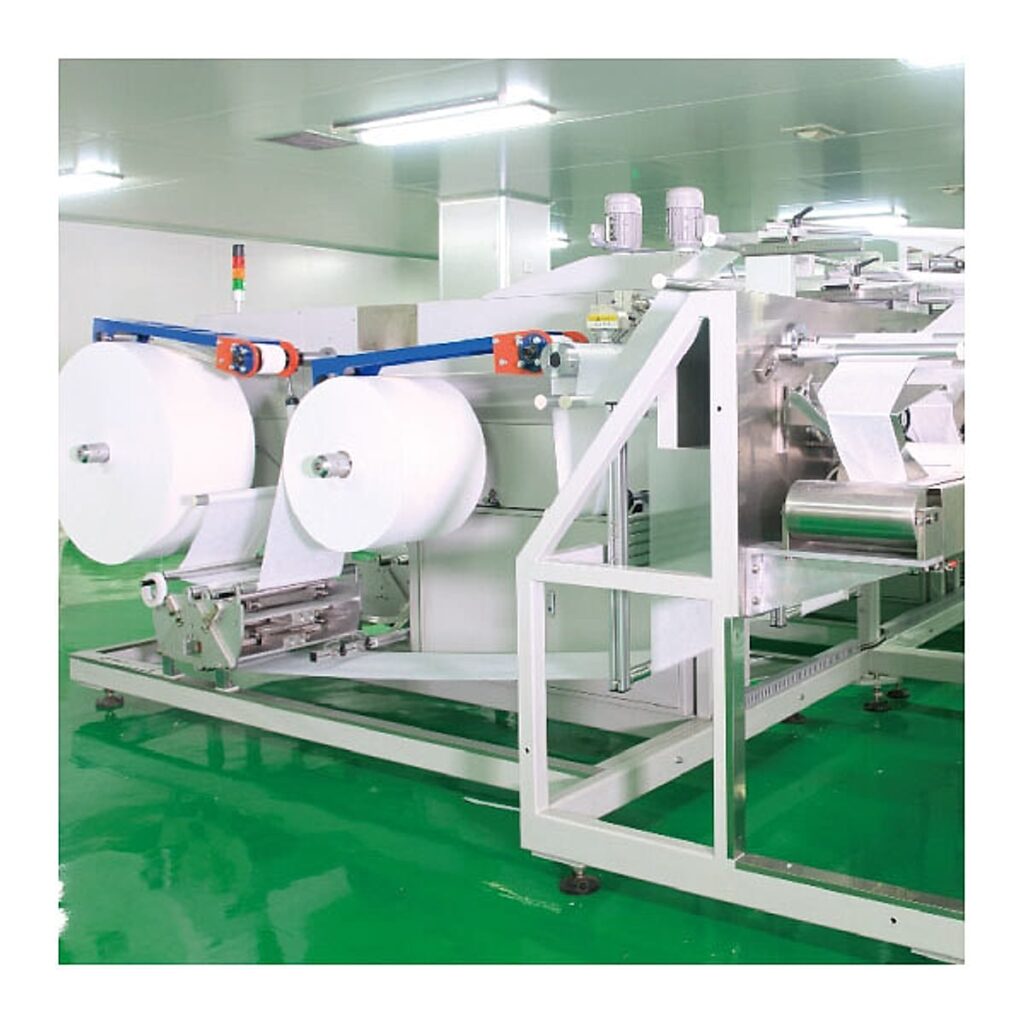
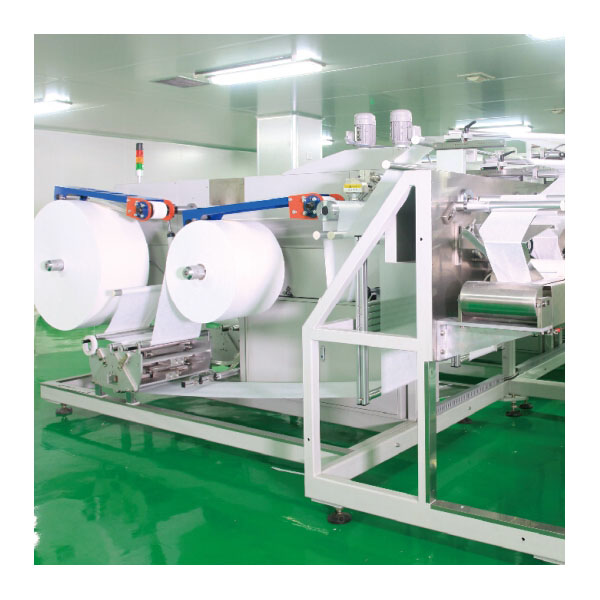
The manufacturing environment determines batch-to-batch consistency. Look for a Class 100,000 cleanroom, automated production lines, a pharmaceutical-grade EDI pure water system, automated liquid preparation and an in-house microbiological testing laboratory. Quality control should cover four stages — raw material, in-process, finished product and pre-shipment inspection — with batch traceability. Certifications should be stated precisely: ISO 9001, ISO 14001 and ISO 45001 management systems with the certificate holder named, product/material certifications like FSC applied to specific materials, and Sedex/BSCI written as social responsibility audits rather than blanket “certified” claims.
Compliance is a collaboration, not a promise
US retail compliance (FDA, CPSC, state-level labeling requirements and applicable testing) depends on your final product definition and the claims you make. A responsible Chinese manufacturer supports your compliance process with material documentation, test reports and manufacturing evidence — and publishes claims only where evidence exists. Flushability and environmental terms are tied to material supplier testing reports for the applicable construction. Beware any supplier who promises “FDA-approved wipes” off the shelf; compliance is product-specific and requires your input.
Cost structure that works for new brands
Trial orders from 5,000–20,000 packs let new brands test the US market without a container commitment. Standard samples take about 3 days, custom samples 5–10 days, and standard production lead time is approximately 30 days. Shipping from Ningbo is well served by sea and air freight, with the manufacturer coordinating export documentation. For a detailed walkthrough of working with a Chinese manufacturer — including what to ask about quality, cost and compliance — see our Wet Wipes Manufacturer for USA Brands page.
FAQ
Is it safe to source wet wipes from China?
Yes, when you work with a manufacturer that runs controlled production (cleanroom, purified water, in-house lab), documents quality with four-stage QC and batch traceability, and supports your compliance process with evidence.
How do US brands verify compliance?
Product compliance (FDA, CPSC, state labeling) is validated against your final product definition. Your manufacturer supports it with material documentation, test reports and manufacturing evidence.
What is the minimum order for a first US launch?
Trial orders typically start at 5,000–20,000 packs, with standard MOQs by packaging format.
What to verify before you buy wet wipes from China
- Management-system certificates — ISO 9001, 14001 and 45001 — and the plant name on them.
- Product and facility certifications, including GMP for cosmetic products and the cleanroom class.
- Chain-of-custody evidence for wood-based fibre, and eco-label declarations where relevant.
- A batch certificate of analysis with the first shipment, so you can test the process rather than a promise.
- Batch record retention, so a complaint can be traced to a production run.
- A named contact who answers documentation questions in your language and time zone.
Making the supply chain work at your end
The practical differences are logistics, not quality. Plan the lead time into your inventory cycle rather than treating it as a surprise, keep a buffer of packaging film for artwork changes, and consolidate the first orders so the container is full. Brands that treat the ocean leg as part of the product plan rarely have a stockout; brands that treat it as an afterthought usually do.
Related reading: wet wipes manufacturing for the US market and baby and sensitive wipes. Or request a quote. Water-services guidance on what should and should not be flushed: IWSFG.
Working with a Chinese supplier day to day
The relationship that works is the one with a named contact, a written specification and a shared calendar. Agree who confirms artwork, who approves the sample and who signs off the shipment, and put it in the file rather than in a chat thread.
Time zones reward planning rather than urgency: a question sent with everything the factory needs is answered in one cycle, while the same question sent without the artwork or the count costs a day. Brands that keep a simple decision log with their supplier consistently get shorter lead times than brands that negotiate harder on price.
If you are preparing a first order, the most useful thing you can send is a complete specification: category, sheet size, GSM, count, packaging format and the claim you intend to make. With that in hand, a facility can quote and sample wet wipes from China against your brief instead of against a guess, and the first reply is usually the one you can act on. It also gives you a written baseline to compare suppliers against — the single most useful document you will hold for the next three years, and the fastest way to tell a considered quotation from a generic price list.